[Exploring the Unique Charm of Algerian Date Drying Techniques]
Algeria's industrial development has been shaped by its natural resources, particularly hydrocarbons and minerals, as well as its strategic location in North Africa. The country has made significant strides in diversifying its economy beyond oil and gas, with efforts focused on sectors such as manufacturing, agriculture, and services.
The hydrocarbon sector remains the backbone of Algeria's economy, contributing substantially to government revenues through exports and domestic consumption. However, there is a growing emphasis on reducing dependence on this sector and promoting sustainable growth. This includes investments in renewable energy sources like solar power, which have seen notable advancements in recent years.
In addition to hydrocarbons, Algeria possesses rich mineral deposits, including phosphates, iron ore, and zinc. These resources play a crucial role in the country's industrial output and export earnings.
Manufacturing has also experienced growth, with the production of consumer goods, textiles, and machinery increasing over time. Efforts are being made to enhance productivity and competitiveness within these industries.
Agriculture continues to be a vital part of Algeria's economy, although it faces challenges related to water scarcity and climate change. There are ongoing initiatives aimed at improving agricultural efficiency and diversifying crop production.
Services, including telecommunications, finance, and tourism, contribute significantly to GDP and employment. The government has been working to improve infrastructure and regulatory frameworks to support further development in these sectors.
Overall, Algeria's industrial development strategy involves balancing resource exploitation with diversification and sustainability, aiming to create a more resilient and diversified economy for future generations.

The production and quality of main dates in Algeria have shown significant changes over the years.
In terms of production, there has been an overall increase due to improved agricultural practices and favorable climatic conditions. However, this growth is not uniform across regions; some areas have seen more substantial increases than others.
Quality-wise, advancements in cultivation techniques and post-harvest handling methods have led to improvements. The use of modern irrigation systems and fertilizers has enhanced the nutritional value and taste of the dates. Additionally, better packaging and transportation methods have reduced spoilage rates, ensuring higher quality at the point of sale.
Despite these positive trends, challenges remain such as pests and diseases that can affect yield and quality. Moreover, climate change poses potential threats to future production levels if not adequately addressed through sustainable farming practices.
Overall, while there are signs of improvement in both quantity and quality, continuous monitoring and adaptation strategies will be crucial for maintaining and enhancing these gains in the long term.
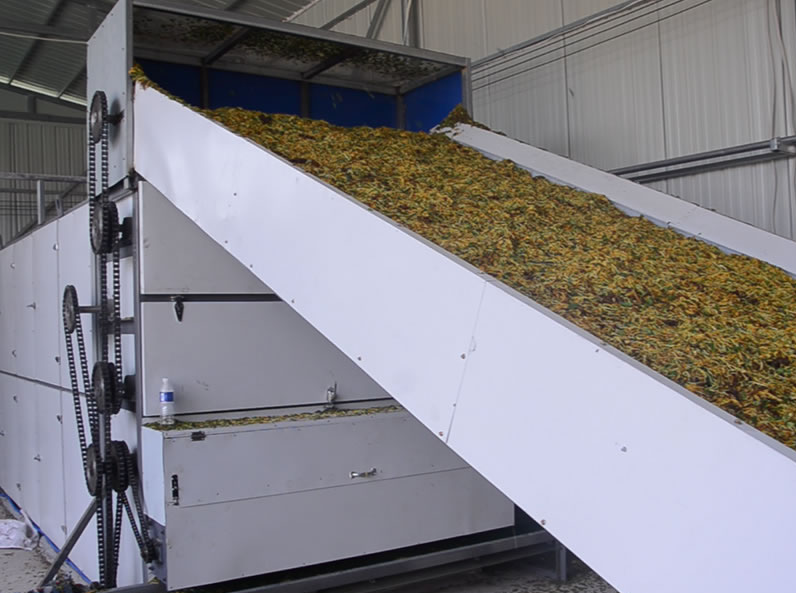
Food processing companies can effectively utilize the technology of drying jujube (a type of Chinese date) in several innovative ways:
1. Preservation and Storage: Drying jujubes extends their shelf life significantly, preventing spoilage and allowing for year-round availability.
2. Flavor Enhancement: The drying process concentrates flavors, making them more intense and appealing. This is particularly useful for creating gourmet products or enhancing existing recipes.
3. Portion Control: Dried jujubes can be easily portioned into individual servings, ideal for retail packaging and convenient consumption.
4. Nutritional Value: Drying preserves most nutrients while reducing water content, which can make jujubes a healthier snack option compared to fresh ones.
5. Versatility in Recipes: Dried jujubes can be used in various dishes, from traditional Chinese desserts to modern Western cuisine, adding unique flavor profiles.
6. Export Opportunities: High-quality dried jujubes can be exported globally, contributing to international trade and revenue generation.
7. Sustainability: By using efficient drying technologies, food processors can reduce energy consumption and environmental impact associated with food preservation.
8. Innovation in Packaging: Advanced packaging techniques that maintain freshness and quality during transportation and storage can further enhance the appeal of dried jujubes as a global product.
By integrating these strategies, food processing companies can maximize the benefits of jujube drying technology, ensuring both economic success and consumer satisfaction.
In conclusion, the market for红枣processing in Algeria is full of opportunities and challenges. For drying equipment manufacturers, they need to seize the growth opportunity of market demand while also preparing for technological innovation and management innovation; for the government, it needs to create a favorable environment for enterprise development while also being sensitive and responsive to changes in policy environment. Only in this way can we promote the continuous development and prosperity of Algerian红枣processing technology and drying equipment. With utmost care and satisfaction, we look forward to working together with you. We believe that only through effective communication can we establish a solid cooperative relationship and ultimately achieve win-win results.