The Hope of Tunisian Dragon Fruit Processing Enterprises - JUSUNG Belt Dryer
Under the backdrop of green energy transition, there is an increasing demand for industrial products in Tunisia that align with sustainable development goals. This shift is driven by both domestic and international pressures towards reducing carbon emissions and promoting renewable energy sources.
Tunisia's industrial sector is expected to see growth in sectors such as solar panel manufacturing, wind turbine components, and bioenergy production. There will also be increased demand for energy-efficient machinery and equipment across various industries, including manufacturing, construction, and transportation.
Additionally, the country may experience a rise in demand for raw materials used in green technologies, such as rare earth metals for solar panels and lithium-ion batteries for electric vehicles. This trend underscores the importance of diversifying Tunisia's industrial base to meet the evolving needs of a green economy.
Overall, the transition to green energy will drive changes in Tunisia's industrial product demands, favoring those that support sustainability and innovation.

The mechanization and automation level in the processing of dragon fruit in Tunisia is relatively low, mainly due to factors such as small-scale production, limited investment in technology, and lack of specialized equipment. The traditional manual processing methods still dominate, which not only affects product quality but also increases labor costs.
To improve this situation, Tunisia needs to invest more in agricultural machinery and automation technologies. This includes developing efficient harvesting machines for dragon fruit, improving sorting and grading systems, and investing in advanced packaging equipment. Additionally, promoting research and development in dragon fruit processing can lead to the creation of new products and processes that increase efficiency and reduce waste.
Furthermore, government support through subsidies or tax incentives could encourage farmers and processors to adopt these technologies. International cooperation and technology transfer programs can also play a crucial role in advancing the mechanization and automation levels in dragon fruit processing in Tunisia. By doing so, Tunisia can enhance its competitiveness in the global market while ensuring sustainable agriculture practices.
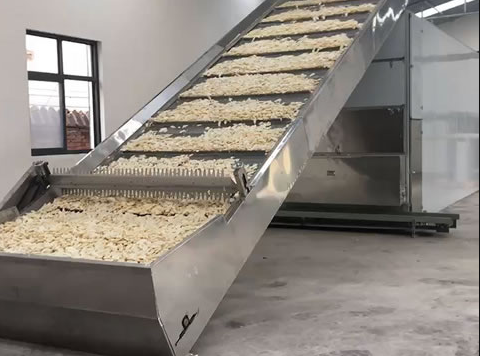
Microwave drying technology can significantly improve the quality and shelf life of dragon fruit by reducing moisture content, enhancing texture, and preserving nutrients. This method minimizes damage to the fruit's structure while accelerating dehydration, ensuring that the fruit retains its vibrant color and flavor. Additionally, microwave drying reduces the risk of mold growth and extends storage time without compromising nutritional value or taste.
In summary, JUSUNG belt dryer has provided strong support for the processing of dragon fruit in Tunisia and other countries through its high-quality products and services. In future development, JUSUNG will continue to uphold the principle of "strict adherence to contracts and integrity," providing more practical and reliable products and services to dragon fruit processing customers in Tunisia. Starting with craftsmanship and focusing on it, JUSUNG wishes the customers of dragon fruit belt dryers in Tunisia: Let us seize this opportunity for negotiation and work together to explore endless possibilities in the future.